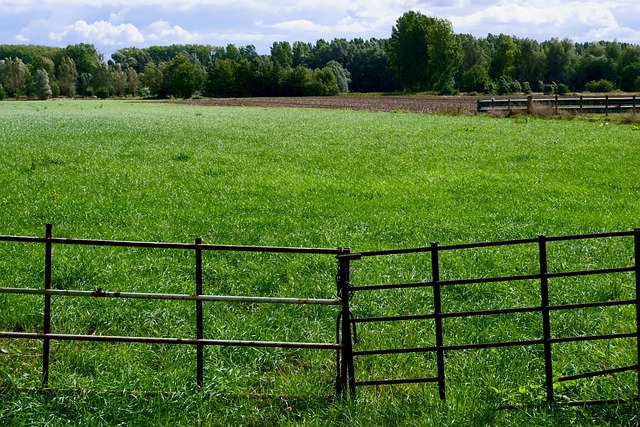
In the quest to secure vast properties, homeowners often grapple with fencing options that balance functionality, aesthetics, and affordability. This article provides a comprehensive guide to cost-effective fencing solutions tailored for large properties. We’ll delve into understanding specific property needs, exploring traditional vs. innovative options, and highlighting sustainable materials. Additionally, creative design ideas, expert installation tips, and long-term maintenance strategies will be discussed to ensure your fence not only enhances your space but also offers remarkable value over time.
- Understanding the Needs of Large Properties
- Traditional Fencing vs Cost-Effective Solutions
- Sustainable and Durable Materials
- Creative Design Options for Large Spaces
- Installation Tips for Longevity and Efficiency
- Maintenance and Long-Term Savings Strategies
Understanding the Needs of Large Properties
Large properties come with unique fencing challenges. The size and diverse landscapes demand solutions that balance security, aesthetics, and cost-effectiveness. Each area may require different treatments—from dense forests needing robust, long-lasting materials to open fields demanding visibility and low maintenance. Understanding these varied needs is crucial in selecting the right fencing solution for every section of the property.
Additionally, large properties often host a variety of activities and have diverse ecological considerations. Fencing must not only secure but also contribute positively to the overall ambiance and functionality. This necessitates an approach that considers both practical requirements and environmental impact, ensuring a harmonious blend of security and natural beauty.
Traditional Fencing vs Cost-Effective Solutions
Traditional fencing methods, while effective, can be expensive and impractical for large properties. The cost of materials, labor, and ongoing maintenance can quickly accumulate, especially over time. This is where cost-effective fencing solutions come into play, offering a more affordable and sustainable approach to property boundary demarcation.
Modern alternatives provide durability, security, and aesthetic appeal without the hefty price tag. These innovative solutions utilize lightweight, easy-to-install materials, reducing labor costs significantly. Additionally, they are designed for longevity, minimizing replacement needs and further saving owners money in the long run.
Sustainable and Durable Materials
When considering fencing solutions for large properties, opting for sustainable and durable materials is a wise choice. Modern fencing options go beyond traditional woods and metals to include eco-friendly alternatives that can withstand harsh weather conditions while maintaining their structural integrity. Materials such as recycled plastic, composite wood, and steel-reinforced polymers are not only long-lasting but also reduce the environmental impact associated with traditional fencing.
These innovative materials offer excellent resistance against rot, decay, and rust, ensuring your fence remains in top condition for years. They are also versatile, allowing for custom designs to suit different landscape aesthetics. Moreover, many sustainable fencing options can be easily installed or maintained, making them cost-effective choices for large properties that require robust yet environmentally friendly barriers.
Creative Design Options for Large Spaces
When it comes to designing fences for large properties, creativity can transform a simple boundary into an artistic statement. The key is to embrace the scale and consider unique visual elements that complement the surrounding landscape. One option is to incorporate natural materials like wood or bamboo, which can be crafted into elegant, curved designs or even intricate patterns. These organic elements not only look stunning but also provide a sense of warmth and harmony with nature.
Additionally, large spaces offer opportunities for more ambitious installations. Think vertical gardens where fencing doubles as a living wall, adding texture and color. Custom-designed metal art fences can also be a focal point, featuring abstract shapes or even local motifs to pay homage to the property’s region. These creative options ensure that your fencing solution is both aesthetically pleasing and cost-effective, enhancing the overall ambiance of your expansive property.
Installation Tips for Longevity and Efficiency
When installing fencing on a large property, proper planning and execution are key to ensuring longevity and efficiency. Start by assessing the terrain and choosing suitable materials that can withstand local climate conditions. For instance, if your property has undulating ground, consider post-and-rail fences or chain link options that offer flexibility in installation. Ensure consistent spacing between posts to maintain structural integrity and allow for proper drainage of soil.
Regular maintenance is another crucial aspect. Keep the fence free from debris by trimming vegetation nearby. Inspect it regularly for signs of wear and tear, such as rust or rot, and repair or replace damaged sections promptly. Maintaining a protective coat of paint or sealant can also help extend the life of your fence, enhancing its aesthetic appeal and functionality over time.
Maintenance and Long-Term Savings Strategies
When considering cost-effective fencing solutions for large properties, one must also factor in the long-term savings that come with proper maintenance strategies. Regular cleaning, inspection, and repairs can significantly extend the lifespan of your fence, reducing replacement costs. A simple routine involves brushing away debris, checking for loose panels or posts, and treating wooden fences with preservatives to ward off rot and pests. For metal or vinyl fences, hosing down and applying a protective coating annually can prevent damage from weather conditions.
By adopting these maintenance practices, you’ll not only preserve the aesthetic appeal of your fence but also maintain its structural integrity. Over time, this proactive approach translates into substantial financial savings compared to frequently replacing worn-out fencing materials. Moreover, regular upkeep can help identify potential issues early on, preventing small problems from escalating into costly repairs or replacements.