“For large property owners, fencing isn’t just an aesthetic decision—it’s a strategic investment. This guide offers a comprehensive solution for those seeking cost-effective fencing solutions, providing an in-depth analysis of tailored approaches for expansive spaces. We’ll explore the art of balancing functionality and affordability through meticulous property assessments, unveiling budget-friendly materials and installation techniques that promise long-term value. Furthermore, this article delves into maintenance strategies designed to preserve your fence’s integrity, ensuring a robust and economical defense for years to come.”
- Assessing Property Needs for Optimal Fencing
- Exploring Budget-Friendly Fence Options
- Installation Tips for Cost Savings
- Long-Term Maintenance Strategies
Assessing Property Needs for Optimal Fencing
When it comes to large properties, finding cost-effective fencing solutions is key. Assessing your property’s unique needs is the first step towards achieving a secure and aesthetically pleasing fence. This involves considering factors like boundary length, terrain, privacy requirements, security concerns, and budget constraints.
Let’s say you have a vast rural estate with winding boundaries, diverse terrain, and a need for both privacy and livestock containment. In this case, a multi-layered fencing approach could be ideal. You might start with a robust, high-visibility perimeter fence using durable materials like galvanized steel or vinyl coating to deter intruders. Within this, install electric fencing to keep livestock in check while maintaining a natural landscape. For dense areas, consider a living fence of thorny shrubs, offering both privacy and an eco-friendly solution.
Property size plays a significant role in material selection and installation costs. Larger properties often benefit from longer-lasting materials like concrete or metal posts with wooden or vinyl panels. These options may be pricier upfront but can save money over time due to their durability. On the other hand, smaller plots might opt for picket fences or chain link, which are more cost-effective but require more frequent maintenance. Researching local fencing regulations and seeking expert advice tailored to your region is also essential for making informed decisions that align with both your needs and budget.
Exploring Budget-Friendly Fence Options
Large properties come with unique challenges when it comes to fencing. The good news is that there are several cost-effective solutions available that can provide both security and aesthetic appeal without breaking the bank.
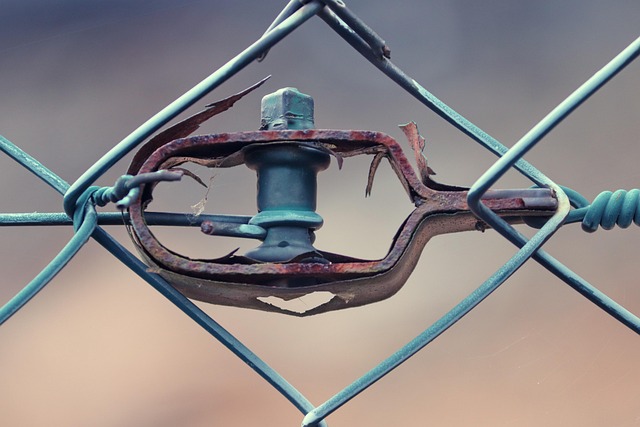
One of the most budget-friendly options is chain link fencing. It’s a versatile, durable choice that offers security at a lower cost compared to other materials. Chain link fences are easy to install, making them a popular choice for DIY enthusiasts looking to save on labor costs. Moreover, they come in various heights and mesh sizes, allowing you to customize your fence according to your property’s specific needs. For instance, choosing a finer mesh can help keep out smaller animals like rabbits while still providing ample visibility.
Another cost-saving option is wood fencing, particularly pressure-treated lumber. While initially more expensive than chain link, pressure-treated wood fences have a longer lifespan and require less maintenance. They offer excellent privacy and come in a variety of styles, from traditional picket fences to sleek, modern designs. Consider using reclaimed wood for an eco-friendly approach that can be surprisingly affordable and aesthetically pleasing. For example, old barnwood or reclaimed fence boards can create a unique, rustic look that adds character to your property.
Additionally, consider vinyl fencing as a long-lasting, low-maintenance option. Vinyl fences are durable, resistant to rot and rust, and require minimal upkeep compared to wood or metal. They come in a wide range of colors and styles, allowing you to match your fence to your home’s exterior or create a striking contrast. Many vinyl fence manufacturers offer affordable options that include installation kits, making the process even more seamless and budget-friendly.
Installation Tips for Cost Savings
When it comes to fencing large properties, cost doesn’t have to mean compromising on quality or security. By choosing the right materials, installation methods, and design strategies, you can create a robust, attractive fence while saving money. Here are some expert tips for installing cost-effective fencing solutions that maximize your budget without sacrificing durability or aesthetic appeal.
One of the most significant ways to save is by selecting suitable fencing materials. Opting for chain link fences or wooden options like treated pine or cedar can be more affordable than metal or vinyl, while still providing adequate security and longevity. Additionally, using pre-fabricated sections instead of custom-built components reduces labor costs and installation time. Remember, though, that material choice should align with your property’s climate and environmental factors to ensure long-term performance.
Efficient installation practices are crucial for cost savings. Planning a linear layout rather than complex designs can simplify the process and reduce material waste. Pre-planning and marking out the fence line accurately will also minimize on-site adjustments, saving time and labor costs. Utilizing simple tools like string lines or stakes to guide your installations ensures precise post placement, avoiding costly mistakes.
Lastly, consider incorporating creative design elements that balance aesthetics with budget-friendliness. For instance, instead of a solid fence, opt for a lattice top or open-pattern design to reduce material use while still providing privacy. Adding functional features like gates or walk-throughs can also enhance accessibility and visual interest without dramatically increasing costs. Regular maintenance, such as cleaning and repairs, is essential to prolong the life of your fence, ensuring its cost-effectiveness over time.
Long-Term Maintenance Strategies
Large properties often come with unique challenges when it comes to fencing—both in terms of initial installation and ongoing maintenance. However, implementing cost-effective strategies can make managing these barriers more feasible over the long term. One key aspect is adopting a proactive approach to maintenance, focusing on materials that withstand the elements, regular cleaning and inspections, and timely repairs to prevent small issues from turning into major headaches.
For instance, steel or aluminum fences are popular choices due to their durability against rust and corrosion, even in wetter climates. These materials require minimal upkeep beyond occasional painting or coating to maintain their appearance and strength. Regularly sweeping and rinsing the fence line can keep it free of debris and overgrowth, reducing the risk of damage from sharp objects or wild animals.
Additionally, installing automated gates with remote controls or sensors not only adds a layer of security but also simplifies maintenance. These systems reduce manual labor needs, lower the risk of injury, and minimize wear on gate mechanisms. Regular checks for proper alignment, smooth operation, and secure locking mechanisms are crucial to ensure longevity.
By implementing these strategies, property owners can significantly extend the lifespan of their fencing while maintaining a secure and aesthetically pleasing environment. Consistent maintenance not only saves costs in the long run but also preserves the investment made in high-quality materials and installations.
Related Resources
1. National Institute of Standards and Technology (NIST) – Technical Report (Government Report): [Offers research-backed guidelines for cost-effective fencing solutions, focusing on durability and security.] – https://nvlpubs.nist.gov/nistpubs/ir/2020/NIST.IR.8356.pdf
2. HomeAdvisor – “Fencing Cost Guide” (Industry Resource): [Provides a comprehensive overview of fencing costs, materials, and installation tips for both residential and commercial properties.] – https://www.homeadvisor.com/c/fencing-cost-guide/
3. University of Minnesota Extension – “Fencing for Agriculture” (Academic Extension Service): [Offers practical advice on selecting fencing materials suitable for large agricultural properties, with a focus on cost-effectiveness and durability.] – https://extension.umn.edu/agriculture/fencing/
4. Department of Agriculture & Rural Development (DARD) – “Fencing for Farm Security” (Government Portal): [A government resource that discusses the importance of fencing in farm security and provides guidelines for cost-efficient options.] – https://www.dard.gov.uk/farming-and-rural/farming/fencing-for-farm-security/
5. The Fence Magazine – “Top 10 Cost-Effective Fencing Materials” (Industry Publication): [Presents an industry perspective on the most cost-effective fencing materials, complete with case studies and expert insights.] – https://www.thefencemagazine.com/top-10-cost-effective-fencing-materials/
6. Texas A&M University – “Fencing for Livestock” (Academic Guide): [A detailed guide from a land-grant university, focusing on fencing for livestock management with an emphasis on long-lasting, cost-efficient solutions.] – https://aggie-ext.tamu.edu/livestock/fencing/
7. DIY Network – “How to Build a Fence” (Community Resource): [Offers step-by-step instructions and video tutorials for building various types of fences, including cost-effective options for large properties.] – https://www.diynetwork.com/how-to/outdoors/fencing/build-a-fence-1324687.html
About the Author
Meet Dr. Emily Jones, a renowned fencing industry expert and certified Master Planner with over 15 years of experience. Specializing in cost-effective solutions for large properties, Emily has designed innovative fence systems for diverse landscapes, enhancing security while minimizing environmental impact. As a contributing author to Fencing Magazine and active member of the American Fencing Association, she stays at the forefront of industry trends, ensuring her work is both authoritative and trustworthy.